You’re home, your mouth is numb, and somebody keeps asking what you want to eat. The honest answer is often, “Nothing that requires chewing.” That instinct is correct.
The right wisdom teeth recovery food does more than keep you comfortable. It protects the extraction sites, lowers the odds of setbacks, and gives your body what it needs to rebuild gum and bone. Generic lists of “soft foods” only get you part of the way there. What matters is timing, texture, temperature, and how your jaw responds.
That matters even more if you already deal with TMJ pain, facial tension, clenching, headaches, or sleep-related mouth breathing. For those patients, recovery isn’t just about avoiding crunchy foods. It’s about protecting the surgical site without creating a stiff, overworked jaw.
Your Post-Surgery Game Plan for Eating
Start simple. For the first few hours, your job is to protect the blood clot, stay hydrated, and avoid making your jaw work harder than it has to. You don’t need a perfect menu on day one. You need a safe one.
A good plan has four parts:
Choose foods by texture first
In early recovery, “healthy” doesn’t help if the food is chewy, seedy, spicy, or hard to swallow. Smooth yogurt beats a dense granola bowl every time.Respect the healing timeline
Your food choices should change as swelling, soreness, and jaw mobility change. The first three days are different from days four through seven.Prioritize nourishment, not just comfort foods
Pudding and applesauce are useful, but they can’t carry your whole recovery. Your mouth needs softness. Your body still needs protein, fluids, and steady calories.Account for jaw mechanics
If you have TMJ symptoms, your recovery diet should reduce strain without letting your jaw get stiff from complete inactivity.
Patients often underestimate how much anesthesia and soreness can affect eating. If you’re still groggy, keep choices bland and easy to manage with a spoon. If you had sedation, it also helps to review basic oral surgery anesthesia information so the eating plan makes sense alongside the rest of your immediate aftercare.
Practical rule: If a food requires biting, tearing, suction, crunching, or “just a little careful chewing,” it’s probably too early.
The First 72 Hours Your Crucial Healing Window
You get home from surgery hungry, numb, and tempted to test what feels possible. That instinct causes problems. During the first three days, the goal is to keep the blood clot stable, limit swelling, and get enough fluid and calories without stirring up the surgical sites or overworking the jaw.
Guidance from Affordable Dentures on eating after wisdom tooth removal notes that swelling often peaks around day 2, pain often peaks around day 3, and a liquid or no-chew approach helps protect the area while the clot firms up. For patients with TMJ pain, jaw guarding, clenching, or limited opening, that same plan also reduces extra load on already irritated joints and muscles.
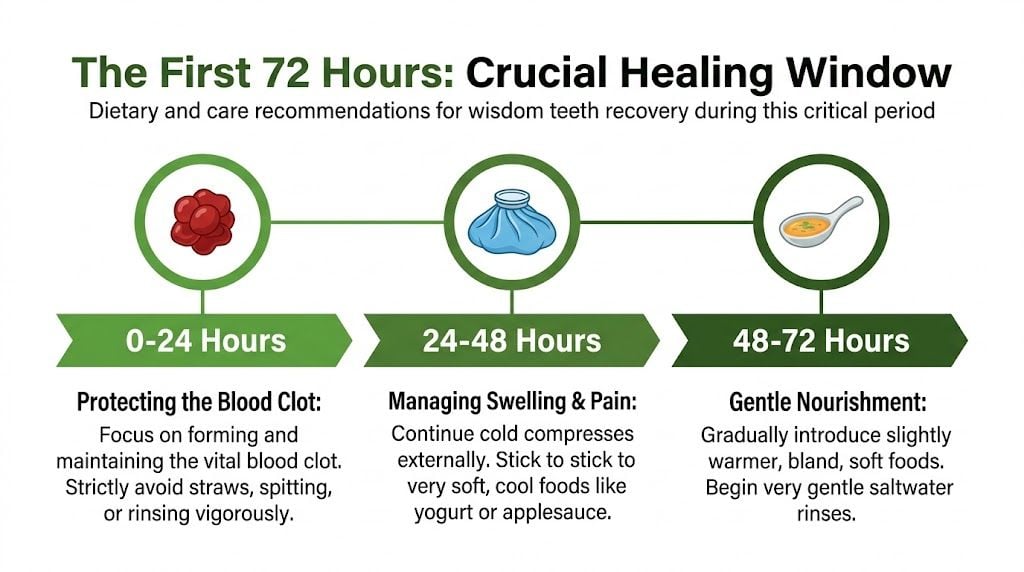
Day 1 keep it cool smooth and easy
Day 1 calls for foods that slide down with very little oral effort. Numbness, gauze changes, and limited jaw control make even simple eating awkward. Keep the temperature cool or lukewarm, use a spoon or cup, and choose textures that do not ask the tongue or cheeks to do much work.
Good options include:
- Water in small sips
- Broth without chunks
- Applesauce
- Yogurt without seeds, fruit pieces, or granola
- Pudding or JELL-O®
A few details matter more than patients expect. Drink from a cup, not a straw. Do not test chewing on the opposite side. If you have TMJ symptoms, avoid wide opening for spoons that are too large, and keep each sip or bite small enough that your jaw stays relaxed instead of bracing.
Skip these on day 1:
- Hot soup or hot drinks
- Smoothies with chia, flax, berry seeds, or fibrous fruit
- Crunchy toppings
- Any food that needs even light chewing
- Repeated forceful spitting or rinsing
Days 2 and 3 still soft but more sustaining
By days 2 and 3, appetite usually comes back before comfort does. Patients often feel ready for more texture, but the better move is to increase nutrition before increasing chewing. The mouth still benefits from smooth foods, and the rest of the body needs protein, fluid, and enough calories to tolerate medication and support healing.
Better choices for this stage include:
- Greek yogurt
- Mashed avocado
- Cottage cheese, if it feels comfortable
- Very smooth oatmeal
- Protein shakes from a cup
- Soft scrambled eggs
- Pureed soups
For TMJ-sensitive patients, this is also the point where jaw mechanics can either help or hurt recovery. Thick foods can be tiring if you have to work them around with your tongue. Very sticky foods can trigger clenching. Large spoonfuls can make you open wider than your joints want. Small portions, slow pacing, and upright posture usually work better than pushing through one full meal.
One practical rule helps. If a food leaves you tensing your cheeks, shifting side to side, or opening wide to get it in, it is too advanced for this stage.
Dry socket prevention is really about clot protection
Dry socket pain tends to be sharp, persistent, and out of proportion to what patients expect after routine healing. The problem is early clot loss, not merely food touching the site.
These trade-offs come up often:
| Choice | Works because | Fails because |
|---|---|---|
| Cup instead of straw | Avoids suction at the socket | Straw use can pull on the forming clot |
| Lukewarm soup | Easier on tender tissue | Hot liquids can increase irritation |
| Smooth yogurt | Gives calories with little jaw effort | Fruit chunks or seeds can collect near the site |
| Blended shake | Useful when appetite is low | Very thick shakes can be hard to control if you sip too fast |
Patients recovering from difficult extractions or dealing with more complex jaw symptoms often do better with the same principles used in jaw surgery recovery guidelines. Protect healing tissue, control swelling, and keep jaw movement gentle rather than forceful.
TMJ and airway details matter in these first 72 hours
Generic wisdom teeth food lists miss an important point. The best diet in this window should also calm the muscles of the face, tongue, and jaw.
If you already clench, mouth-breathe, wake with facial tension, or have a history of TMJ flare-ups, use meals to reduce strain. Sit upright. Keep your lips together between bites if that feels natural. Let the tongue rest lightly against the palate when comfortable rather than pressing it into the teeth or floor of the mouth. Pause if you notice muscle tightening in front of the ears or along the temples.
Swelling can also make swallowing feel less coordinated. Slow nasal breathing between sips helps many patients avoid gulping air and tightening the neck. That matters because airway strain, tongue tension, and jaw guarding often travel together in the first few days after oral surgery.
Navigating Your First Week Post-Surgery
Around day four, most patients are ready for more substance. The mouth is still healing, but the menu can widen. This is the part of recovery where texture returns gradually and intelligently.
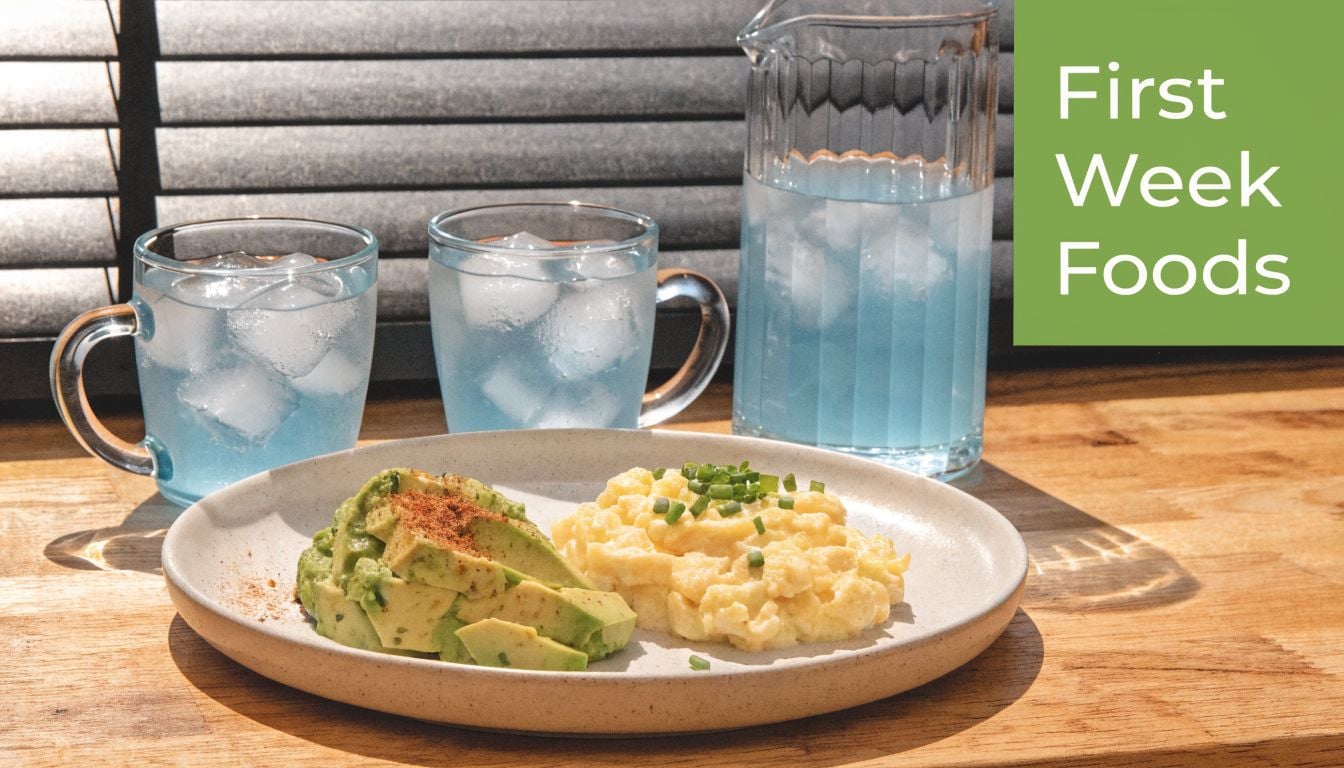
Days 4 through 5 move to mashable foods
Soft solids should feel fork-tender, moist, and easy to break apart with the tongue. If you need to saw with your teeth or open wide to take a bite, it’s not ready.
Good choices here include:
- Fluffy scrambled eggs
- Mashed potatoes
- Soft oatmeal
- Cottage cheese
- Mashed avocado
- Very soft pasta
- Soft cooked vegetables mashed with broth or butter
- Tender flaky fish
The best test is simple. Press the food with a fork. If it falls apart easily and stays moist, it’s probably a reasonable next step. If it holds its shape, crackles, flakes into sharp bits, or leaves residue that can pack into the socket, wait.
Days 6 through 7 start using the jaw gently
By later in the first week, many people can tolerate more chewing, but not all chewing is equal. Gentle, controlled movement can help jaw mobility. Aggressive chewing, crusty foods, and large bites still create trouble.
For patients recovering from more involved procedures, the broader principles used in jaw surgery recovery guidance are helpful here too. Progress texture based on comfort and tissue tolerance, not impatience.
A useful way to think about this stage:
| Texture test | Usually okay | Usually too soon |
|---|---|---|
| Falls apart with a fork | Fish, soft pasta, tender eggs | Toast, bagels |
| Can be mashed with the tongue | Ripe avocado, soft oatmeal | Raw vegetables |
| Needs only light chewing | Soft noodles, steamed carrots | Chips, popcorn, nuts |
Eat on purpose, not on autopilot. The first “normal” meal is where many recoveries get irritated.
What works better than most patients expect
A few foods consistently do well in this stage because they’re forgiving:
- Eggs are soft, protein-rich, and easy to vary.
- Avocado is calorie-dense without requiring chewing force.
- Soft fish gives you real meal satisfaction without the work of chicken or steak.
- Well-cooked pasta is often easier than rice because it doesn’t break into small particles as readily.
What tends to disappoint people are foods that seem soft but behave badly in the mouth. Bread can wad up. Dry chicken asks for more chewing than patients realize. Peanut butter can stick. Granular foods can migrate into healing areas.
By the end of the first week, many people feel much better, but “feeling better” isn’t the same as “ready for chips and salsa.” Respect the gap.
Fueling Your Recovery Key Nutrients and Healing Foods
Soft texture protects the mouth. Nutrition drives repair. If you only eat pudding, mashed potatoes, and ice cream, you may stay full enough to get through the day, but you won’t give healing tissue much help.
Protein is the workhorse nutrient
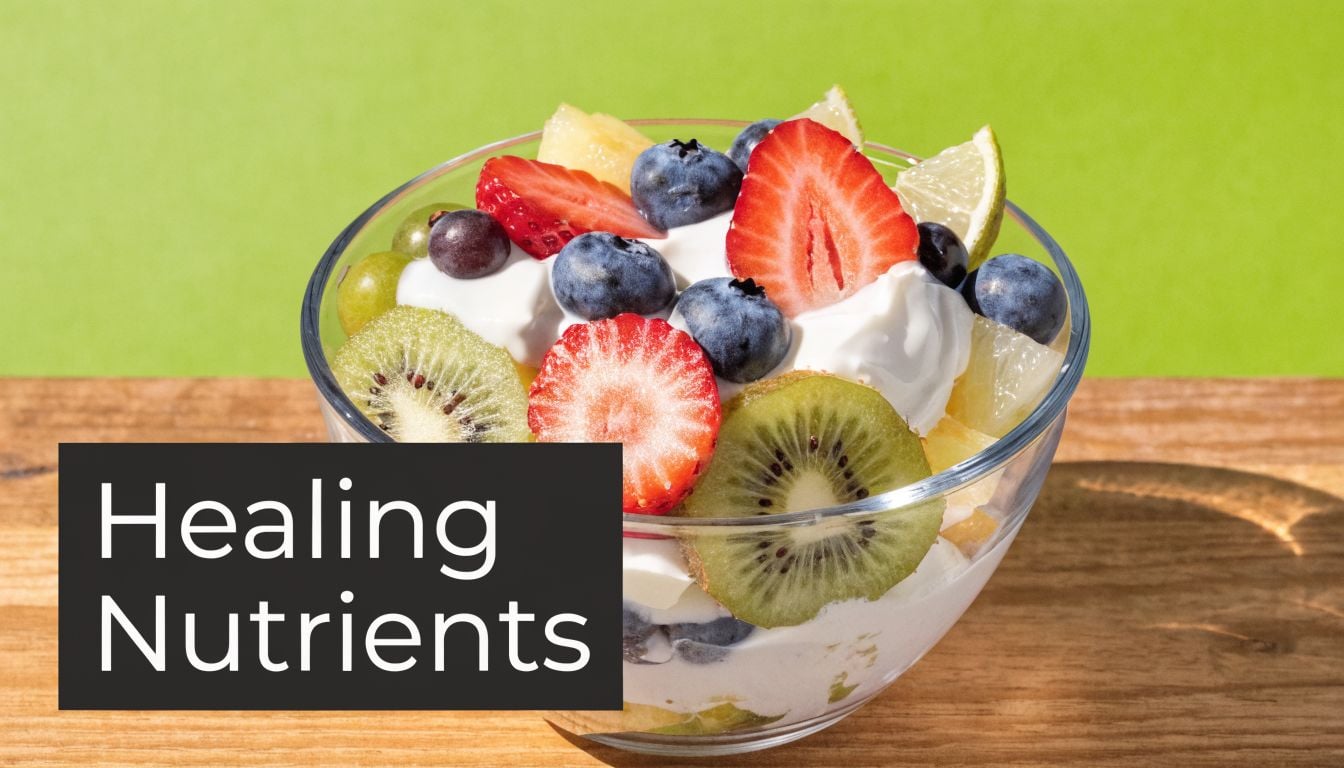
Protein matters because the mouth isn’t just “closing up.” It’s actively rebuilding. According to GoodRx guidance on what to eat after wisdom teeth removal, protein deficiency can slow wound healing by 40 to 50%, and recommended soft options include Greek yogurt with 15 to 20 grams per serving, scrambled eggs with 6 grams per egg, and protein shakes with 20 to 30 grams per scoop, helping patients aim for a 60 to 80 gram daily protein target during recovery.
That’s why the best wisdom teeth recovery food plan is not just “soft.” It is soft and protein-forward.
High-value options include:
Greek yogurt
Easier than many meats, and far more useful than sugary desserts.Scrambled eggs
Best when soft and moist, not browned or rubbery.Cottage cheese
A strong option if the curds are comfortable for you.Mashed beans
Helpful when blended smooth enough.Protein shakes from a cup
Useful when appetite is low or your jaw tires quickly.
Why sugar-heavy comfort foods can backfire
Ice cream is one of the most common post-op foods because it’s cold and easy. The problem is that many patients turn it into the main event. That’s where it stops being helpful.
A cold, smooth food can be soothing. A high-sugar recovery diet is a different story. It tends to displace protein and more nutrient-dense foods. It also leaves patients feeling hungry again quickly, so they snack more often without getting much tissue-building value.
A better approach is to use sweet foods as a supplement, not a strategy. If you want something cool, pair it with a more useful option in the same day, such as Greek yogurt, a blended shake, or a smooth soup.
Anti-inflammatory choices are usually better tolerated
The best healing foods are often the least dramatic ones. Think smooth, mild, and nutrient-dense.
Useful examples:
- Pureed vegetable soups
- Greek yogurt with soft fruit blended in
- Mashed avocado
- Eggs
- Soft fish later in the week
- Broths that encourage steady hydration
A frequently overlooked question is which foods best support clot protection. In Healthline’s nutrition guide for wisdom teeth removal, this is framed as an underserved FAQ, with evidence favoring nutrient-dense, anti-inflammatory soft foods over high-sugar choices, and oral surgery journal data cited there notes 25% faster clot stabilization with PRF-promoting foods.
Here’s a simple rule for choosing better foods:
| Better choice | Why it helps |
|---|---|
| Greek yogurt | Protein and smooth texture |
| Pureed vegetables | Nutrient density without chewing stress |
| Eggs | Easy protein, easy prep |
| Broth-based soups | Fluids plus calories in a gentle format |
| Mashed avocado | Soft texture and satisfying calories |
This short video may help if you want visual ideas for building soft meals that still feel like actual meals:
Hydration matters more than patients expect
When the mouth hurts, people often drink less. That creates its own problems. Thick saliva, dry mouth, and low appetite can all make recovery feel worse.
Aim for steady sipping through the day, not a few large drinks. Water is the baseline. Broths, diluted smoothies taken from a cup, and other non-irritating fluids can help if plain water gets boring.
Your mouth heals locally, but recovery is systemic. If you’re underfed and underhydrated, the sockets feel it.
Special Considerations for a Smoother Recovery
Some recoveries are straightforward. Others come with extra variables, especially TMJ symptoms, facial pain, airway issues, or a child who doesn’t have the patience to eat slowly and carefully.

If you have TMJ pain or jaw dysfunction
A prolonged liquid diet can calm the surgical area but irritate the jaw in a different way. Guidance summarized by Fort Worth Oral Surgery notes that for patients with pre-existing TMJ disorders, gentle orofacial myofunctional therapy is important because reduced jaw activity during recovery can worsen TMJ pain in 20 to 30% of patients with prior jaw issues.
That doesn’t mean you should force chewing. It means you should avoid turning your jaw into a statue.
Helpful habits:
Keep your tongue resting lightly on the palate when comfortable
This can reduce unnecessary jaw bracing.Take small spoonfuls
Large bites ask for wider opening and more joint load.Pause if the jaw starts to clench between bites
Many patients tense without noticing.Use short, gentle jaw motions only if comfortable
Think mobility, not stretching.
For these patients, wisdom teeth recovery food should reduce joint load and muscle guarding at the same time. Smooth eggs, yogurt, mashed vegetables, soft fish, and blended proteins usually work better than sticky starches or foods that require repeated small chews.
Airway and breathing also influence comfort
Patients who mouth-breathe, snore, or wake with a dry mouth often struggle more during oral recovery. The issue isn’t just discomfort. A dry oral environment can make the mouth feel more irritated and can reduce comfort during sleep.
The practical fix is not complicated:
- Sip water regularly
- Avoid salty, drying foods as your main intake
- Breathe through the nose when possible
- Keep your head raised when resting
If your throat and jaw tighten when you eat, slow down and reset your breathing before the next few bites. Calm breathing reduces neck tension, and neck tension often feeds jaw tension.
Considerations for children and teens
Young patients usually care less about “nutritional strategy” and more about whether the food feels safe and familiar. Parents do better with a short list of reliable choices than a long list of possibilities.
Good starting options:
- Applesauce
- Yogurt
- Smooth mashed potatoes
- Pudding
- Soft scrambled eggs
- Blended soups
- Cooled oatmeal if tolerated
A few practical parent tips matter more than the menu itself:
| Situation | Better response |
|---|---|
| Child wants crunchy snack early | Offer a familiar soft substitute before saying no |
| Child eats very little at one meal | Try smaller, more frequent soft meals |
| Jaw gets tired quickly | Keep meals brief and return later |
| Child resists protein foods | Blend protein into yogurt or a spoonable shake |
Kids recovering from other oral procedures, including frenectomy-related care, may also do better with foods that support comfortable swallowing and lip closure without requiring big mouth movements. In those cases, texture matters just as much as flavor.
Sample Meal Plans and Simple Recipes
Recovery meals work best when they are predictable, soft, and low effort. The goal is not just to avoid irritating the extraction sites. It is to keep your jaw from overworking while you still get enough protein, fluids, and calories to heal.
That matters even more for patients with TMJ pain, jaw fatigue, clenching, or limited opening. A food can be technically “soft” and still ask too much of a sore jaw if it is sticky, dense, or requires repeated chewing. During the first week, choose foods that slide off a spoon, break apart easily, and do not make you brace through the temples or under the ears.
A simple three-stage meal template
Day 1
Breakfast
Yogurt or applesauceMid-morning
Water in small sipsLunch
Lukewarm brothAfternoon
Pudding or JELL-O®Dinner
Smooth soup with no chunksEvening
Protein shake from a cup, if tolerated
Day 3
Breakfast
Greek yogurtLunch
Pureed vegetable soupSnack
Mashed avocadoDinner
Soft scrambled eggsLater snack
Applesauce or cottage cheese
Day 7
Breakfast
Oatmeal cooked softLunch
Flaky fish with mashed potatoesSnack
Yogurt or cottage cheeseDinner
Soft pasta with a smooth sauceLater snack
Ripe avocado or a soft protein shake
If rice feels heavy or too textured, a simple rice kanji recipe is often easier to manage because it cooks down into a very soft, soothing porridge.
Three easy recovery staples
Seedless healing smoothie
Blend plain Greek yogurt, banana, and a soft fruit until completely smooth. Keep it thick enough to eat with a spoon or thin enough to drink from a cup. Skip berries with seeds, granola, nut butter with pieces, and crunchy toppings.
Fluffy scrambled eggs
Whisk eggs thoroughly and cook them over low heat. Stop while they are still soft and slightly moist. Overcooked eggs turn rubbery fast, and that extra chewing can irritate both the surgical area and a sensitive jaw joint.
Creamy root vegetable puree
Cook carrots, sweet potato, or parsnips until very soft, then blend with broth or milk to a smooth consistency. Serve warm, not hot. If your jaw tends to tighten with thicker foods, add a little more liquid so the puree stays easy to swallow.
Patients who already deal with jaw tension often do well extending this same low-strain approach after the first week. A broader list of soft foods for TMJ can help if chewing usually triggers pain, clicking, or muscle fatigue.
Wisdom Teeth Recovery Do's and Don'ts
| Guideline | Do | Don't |
|---|---|---|
| Food texture | Choose liquids and smooth foods early | Test crunchy or chewy foods |
| Meal size | Eat small, frequent meals | Force one large meal |
| Temperature | Keep foods cool or lukewarm | Eat foods that are very hot |
| Jaw effort | Use spoonable, low-strain foods | Take big bites or chew vigorously |
| Food choices | Pick protein-rich soft foods | Rely only on sweets |
| After eating | Follow your surgeon’s cleaning instructions gently | Spit or rinse aggressively early on |
A practical rule is simple. If a meal leaves your cheeks, temples, or jaw joints feeling tired, the texture is still too advanced. Step back to smoother foods for another day or two, then retry with smaller bites and shorter meals.
Wisdom Teeth Recovery Food FAQ
What soft foods help prevent dry socket best
The best choices are usually smooth, nutrient-dense, anti-inflammatory foods rather than sugary comfort foods. Healthline’s review notes that this is a common but underserved question, and it highlights evidence favoring nutrient-dense options over high-sugar foods while citing data on 25% faster clot stabilization with PRF-promoting foods in oral surgery literature. Think Greek yogurt, pureed soups, eggs, mashed avocado, and blended protein options.
When can I stop eating only soft foods
Texture broadening typically begins during the first week, guided by comfort. The right timing depends on pain, swelling, jaw mobility, and whether chewing irritates the area. If a food makes you chew carefully, wince, or feel like you need to “work around” the sockets, it’s too early.
When can I eat crunchy or spicy foods again
Wait until the area is clearly less tender and chewing feels normal enough that you aren’t protecting the site with every bite. Crunchy foods, sharp foods, and spicy foods are usually the last category to come back because they can irritate healing tissue and get trapped where you don’t want them.
Is ice cream a good recovery food
It can be soothing, but it shouldn’t be your main plan. If you want a cold treat, keep it occasional and use it alongside more useful foods. If you like making your own, a creamy homemade ice cream recipe can be adapted into a smoother, simpler treat, but it’s still best treated as a comfort food rather than a healing staple.
What are signs that eating is setting me back
Watch for worsening pain during or after meals, new bleeding, more swelling, or a strong bad taste that doesn’t match normal healing. If food intake becomes difficult or pain suddenly escalates instead of gradually easing, contact your oral surgeon or dentist.
Should I avoid alcohol
Yes. Alcohol can irritate healing tissue and may not mix well with pain medication or other post-op instructions. It’s one of the easiest things to postpone until recovery is clearly on track.
If your wisdom teeth recovery is complicated by TMJ pain, facial tension, jaw stiffness, headaches, or sleep-related breathing issues, Pain and Sleep Therapy Center offers specialized care that looks beyond the extraction site alone. Their team focuses on the root causes behind jaw dysfunction, airway problems, and orofacial pain, helping patients recover more comfortably and function more normally.